Driveways
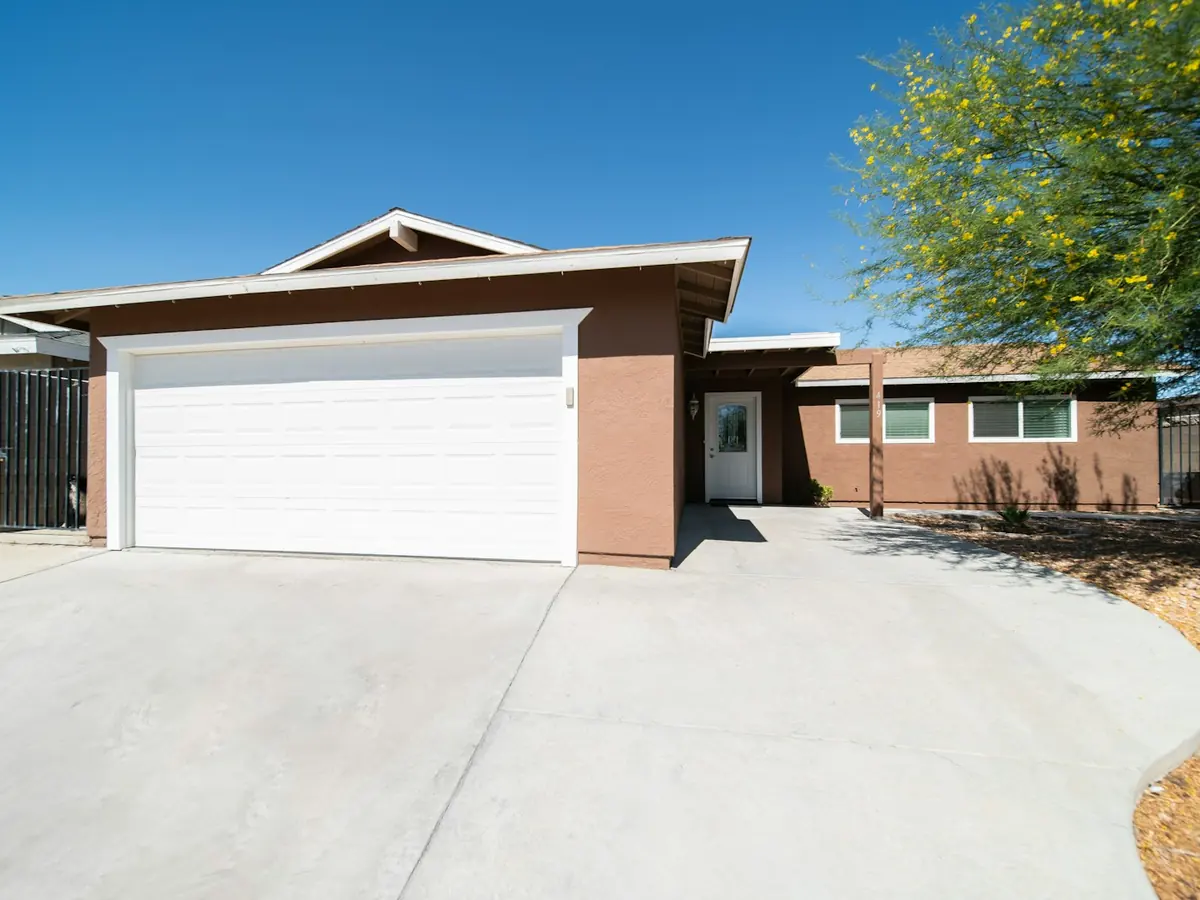
Driveways in poured concrete or interlocking pavers.
View service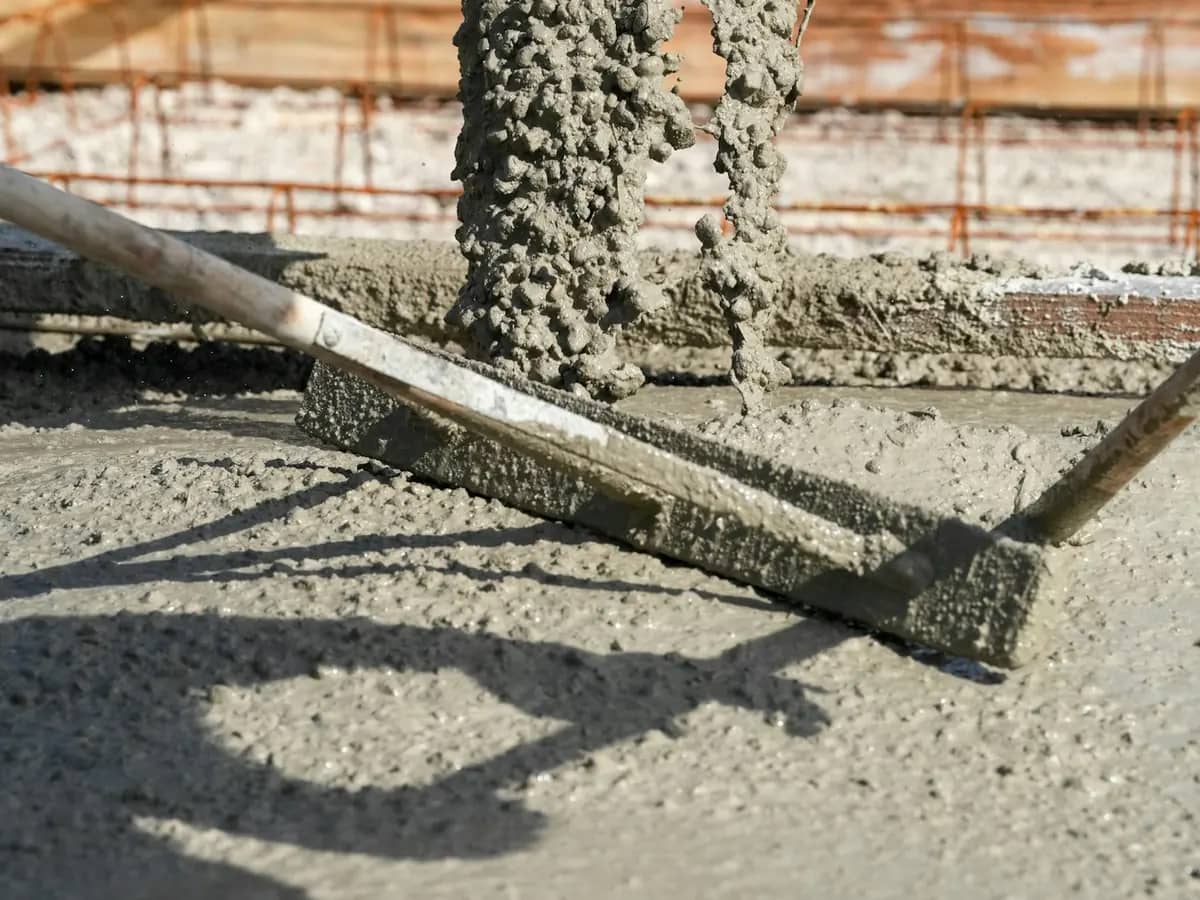
CSLB License #1161881 · Escondido, CA
Poured, flat concrete surfaces: patios, sidewalks, walkways and slabs.
CSLB License #1161881 · Bonded · Based in Escondido, CA
The service
Flatwork is the name for horizontal concrete: the surfaces you walk, park and live on. The concrete is placed inside forms, screeded, finished and left to cure into one solid slab.
Good flatwork is decided before the truck arrives. The grade, the base, the forms and the slope for drainage all set how the finished surface performs.
Patios
A poured outdoor floor off the back of the house.
Sidewalks and walkways
Paths along and around the property.
Slabs
Flat concrete pads for the surface you need.
Driveways
Poured concrete built for vehicle weight.
Under the surface
A finished slab is the top of a stack. Each layer below it has a job, and the slope is set before the concrete arrives.
1. Finished surface
The top is finished for how it will be used, such as a broom texture for traction.
2. Control joint
A tooled or cut groove that gives shrinkage cracking a planned place to go.
3. Slab
Concrete placed in the forms, screeded to grade and floated.
4. Reinforcement
Steel such as rebar or wire mesh, where the job calls for it.
5. Compacted base
Gravel compacted in place to help give the slab even support.
6. Subgrade
The native soil, dug and graded to the depth and slope the surface needs.
7. Form
Boards set to line and grade that hold the concrete while it is placed.
8. Slope
A planned fall across the surface that carries water off it.
Finish options
The finish goes on while the concrete is still workable. These are common flatwork finishes, and we can go over which one fits your surface.
Broom finish
Fine ridges dragged across the surface for traction. A common choice for driveways and walkways.
Smooth trowel
Troweled flat and smooth. A clean look that is slicker when wet, so it tends to go where traction matters less.
Exposed aggregate
The top layer of cement paste is washed away to show the stones in the mix, for a pebbled texture.
Stamped
Pressed with a pattern while still workable, for a textured surface that imitates stone or brick.
Swatches are generic drawings, not photos of finished work.
What's involved
Every site is different. This is the general order of the work, and we go over the specifics for your project at the site visit.
The area is marked out and the ground is dug and graded to the depth and slope the surface needs.
A base is compacted and forms are set to line and grade. Reinforcement goes in where the job calls for it.
The concrete is placed, screeded to grade and floated, then given its final finish.
Control joints are tooled or cut, and the concrete is left to cure before it takes traffic.
Planning
No two sites are the same. These are the things we look at when we walk yours, and the ones that change how the concrete flatwork work is planned.
Nothing here is required. A few of these help us understand the job before we arrive.
Photos and questions can go straight to (760) 500-8142 by call or text.
Flatwork means horizontal concrete surfaces: patios, sidewalks, walkways, slabs and driveways.
Those are control joints. Concrete shrinks as it cures and can crack. Control joints give it a planned place to do that, so cracking tends to follow a straight line instead of running across the surface.
By how the surface will be used. A broom finish leaves fine ridges that add traction, which is why it is common on driveways and walkways. We can go over finish options with you.
Call or text (760) 500-8142, or send a request through the estimate form. Tell us what you have in mind.
More services
Estimate
Tell us what you have in mind. Prefer to talk? Call or text (760) 500-8142.
Tell us about the project.