Paver Installation
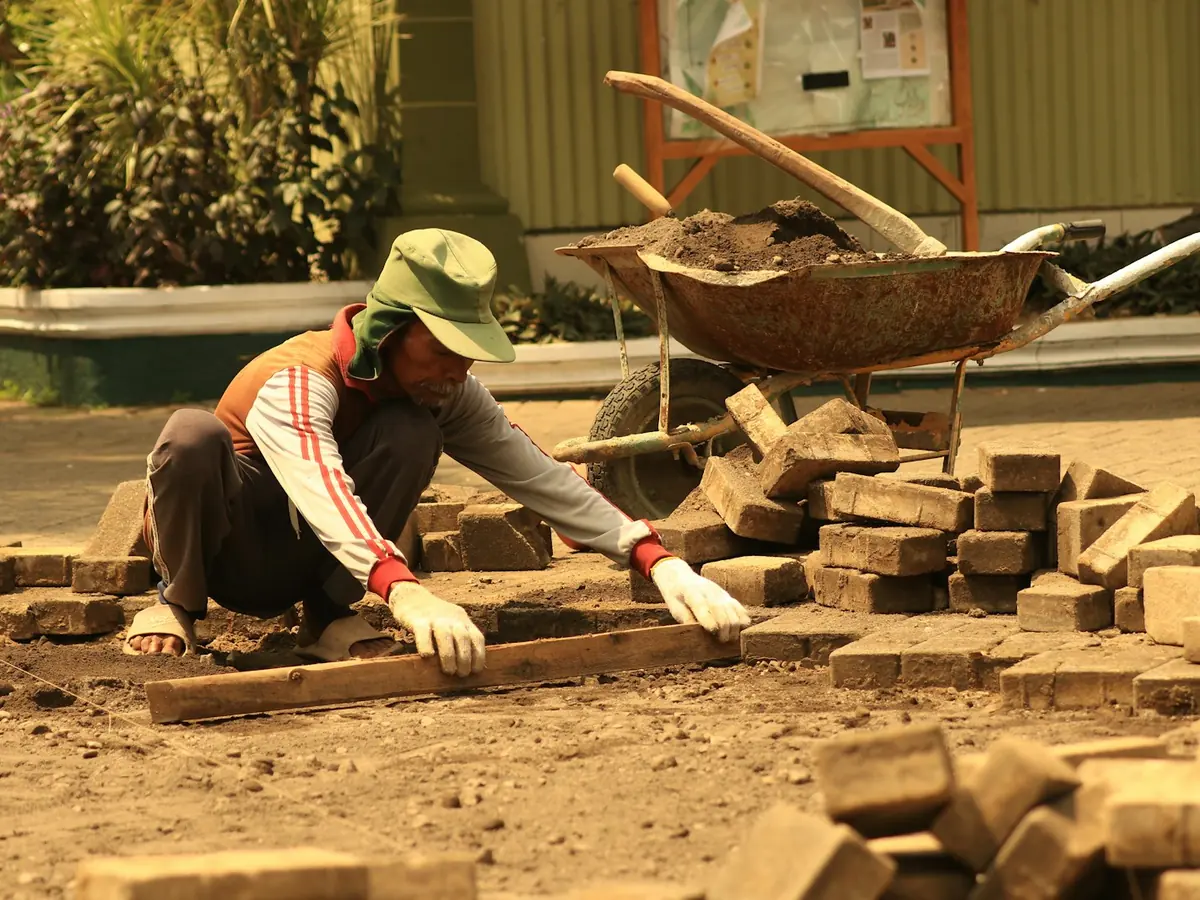
Interlocking pavers set over a compacted base for patios, walkways and driveways.
View service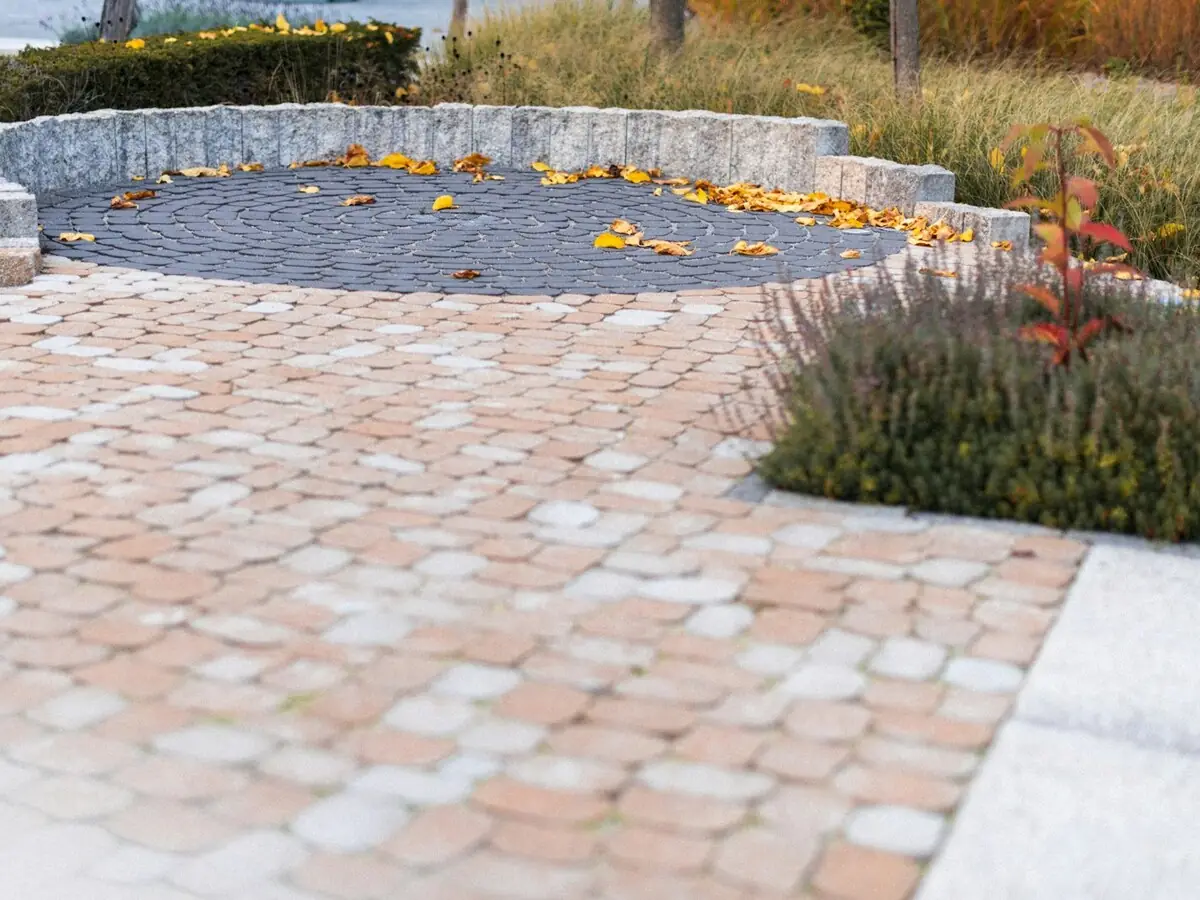
CSLB License #1161881 · Escondido, CA
Paved surfaces for walkways, paths and open areas that carry foot and vehicle traffic.
CSLB License #1161881 · Bonded · Based in Escondido, CA
The service
Pavements are the paved surfaces that connect a property: walkways, paths, open paved areas and places to park. They can be built in poured concrete or in pavers.
The right build depends on what the surface carries and where the water goes. Foot traffic and vehicle traffic call for different bases, and every paved area needs a slope that moves water off it.
Walkways and paths
Routes that connect the parts of a property.
Paved open areas
Larger paved spaces for gathering or access.
Parking areas
Paved surfaces built to carry vehicles.
Entry paths
The approach from the street or driveway to the door.
Load and water
What crosses the surface sets the base under it. Where the water goes sets the shape of the surface. Every paved area is planned around both.
The base follows the load.
A path for people and an area for cars can look the same on top. Underneath, the one that carries vehicles gets a heavier base.
Foot traffic
Vehicle traffic
The surface sheds the water.
A paved surface is never quite flat. It is shaped so water runs off it, and the plan decides which edge the water leaves from.
Cross slope
Tilts one way and sheds water off one side.
Crown
High down the middle, sheds water to both edges.
Planning
No two sites are the same. These are the things we look at when we walk yours, and the ones that change how the pavements work is planned.
Nothing here is required. A few of these help us understand the job before we arrive.
Photos and questions can go straight to (760) 500-8142 by call or text.
What's involved
Every site is different. This is the general order of the work, and we go over the specifics for your project at the site visit.
We start with what the surface will carry, foot traffic or vehicles, since that sets the base.
The ground is dug and graded so water can run off the finished surface instead of pooling on it.
A base is placed and compacted to suit the traffic the surface will carry.
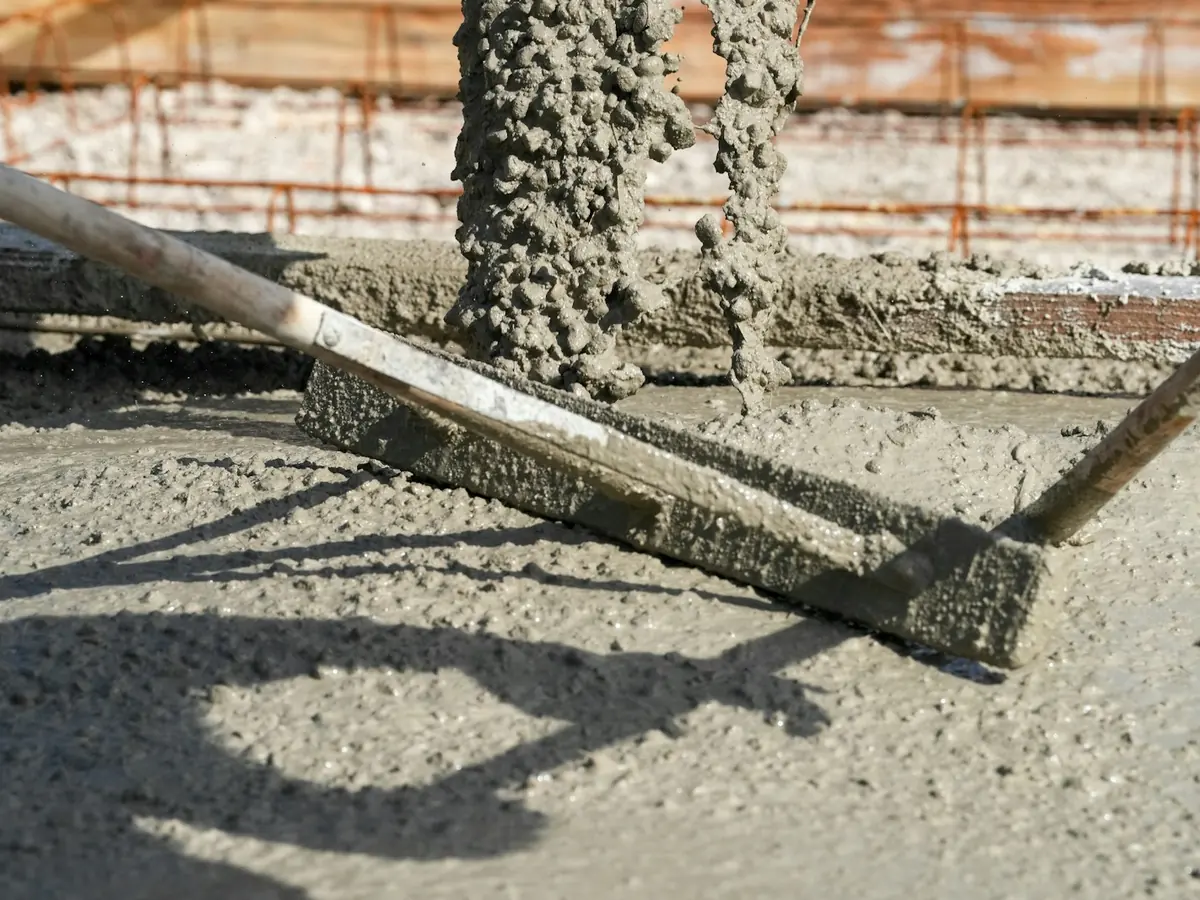
The concrete is poured and finished, or the pavers are laid and set, with edges finished to hold the surface in place.
Paved surfaces that carry foot or vehicle traffic: walkways, paths, paved open areas and parking areas.
Mostly what it carries and how water moves across it. A surface for vehicles needs a heavier base than a garden path, and the grade has to move water off the surface.
Water that sits on a paved surface or runs under it can soften the base, and a soft base lets the surface settle. Sloping the surface moves water off it.
Call or text (760) 500-8142, or send a request through the estimate form. Tell us what you have in mind.
More services
Estimate
Tell us what you have in mind. Prefer to talk? Call or text (760) 500-8142.
Tell us about the project.