Paver Installation
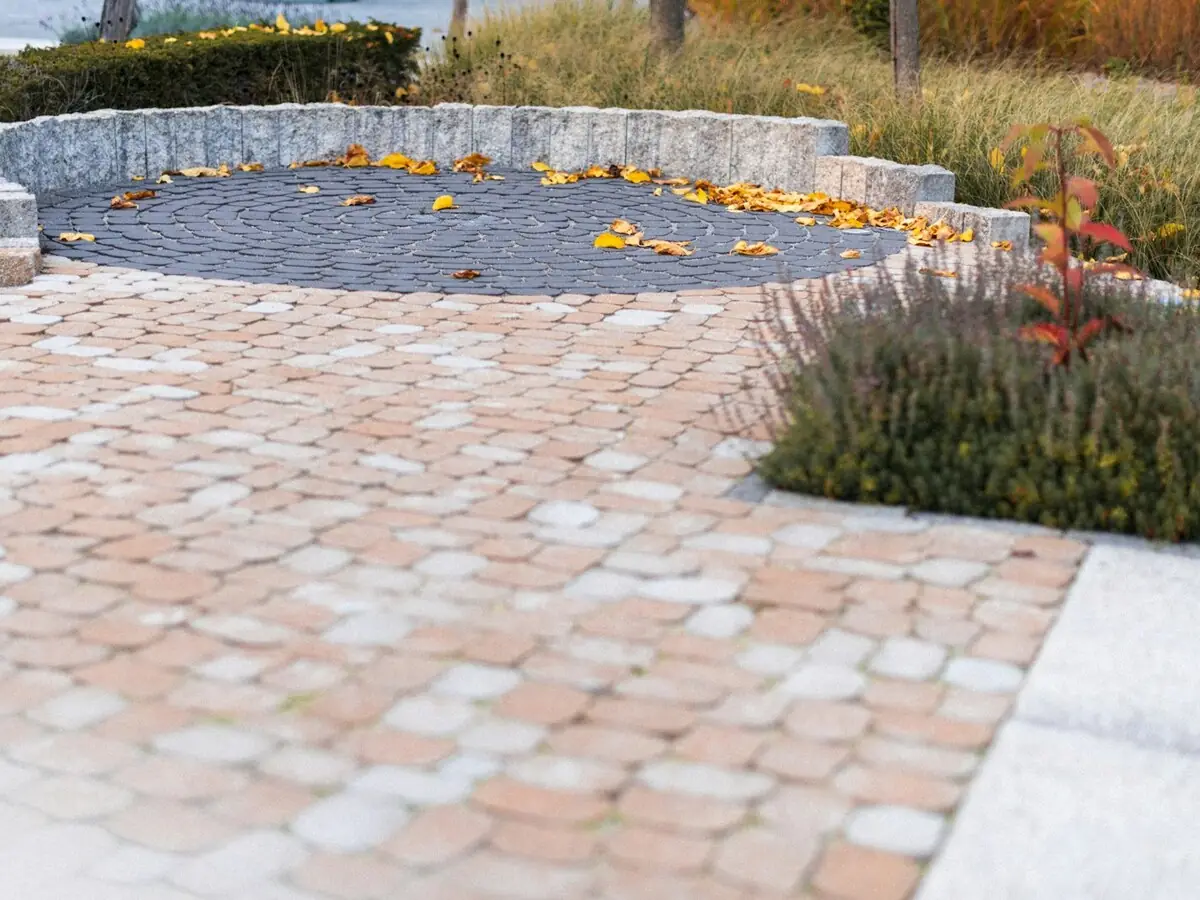
Interlocking pavers set over a compacted base for patios, walkways and driveways.
View service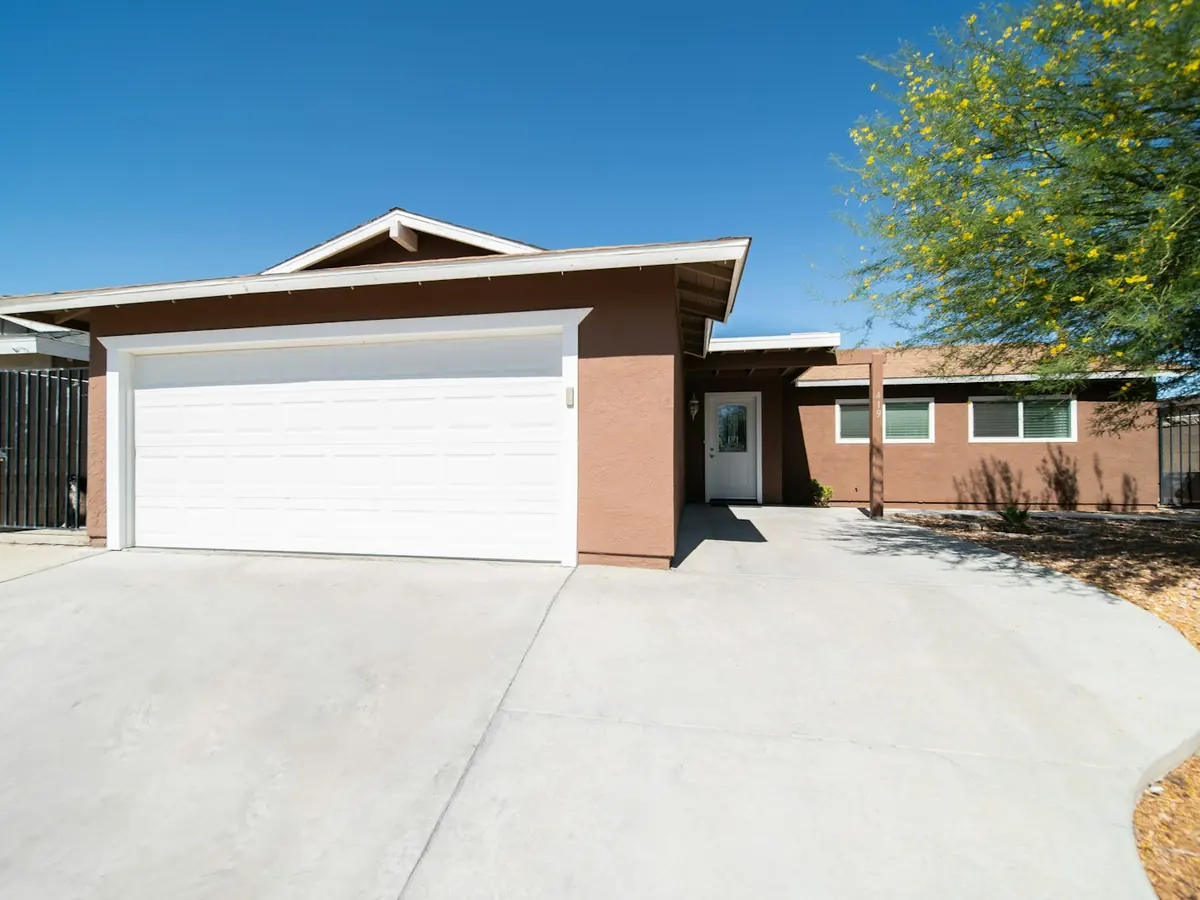
CSLB License #1161881 · Escondido, CA
Driveways in poured concrete or interlocking pavers, built on a base made for vehicle weight.
CSLB License #1161881 · Bonded · Based in Escondido, CA
The service
A driveway carries vehicle weight, so the work starts below grade. The base is prepared for vehicles before any concrete is poured or any paver is laid.
We build driveways two ways. Poured concrete gives one continuous surface. Interlocking pavers give a surface made of individual units that can be laid in patterns and lifted and reset if a section ever needs repair.
Concrete driveways
Formed, poured and finished in place.
Paver driveways
Interlocking pavers over a compacted base.
Driveway extensions
More room alongside an existing driveway.
Parking pads
A flat surface to park on beside the house.
Side by side
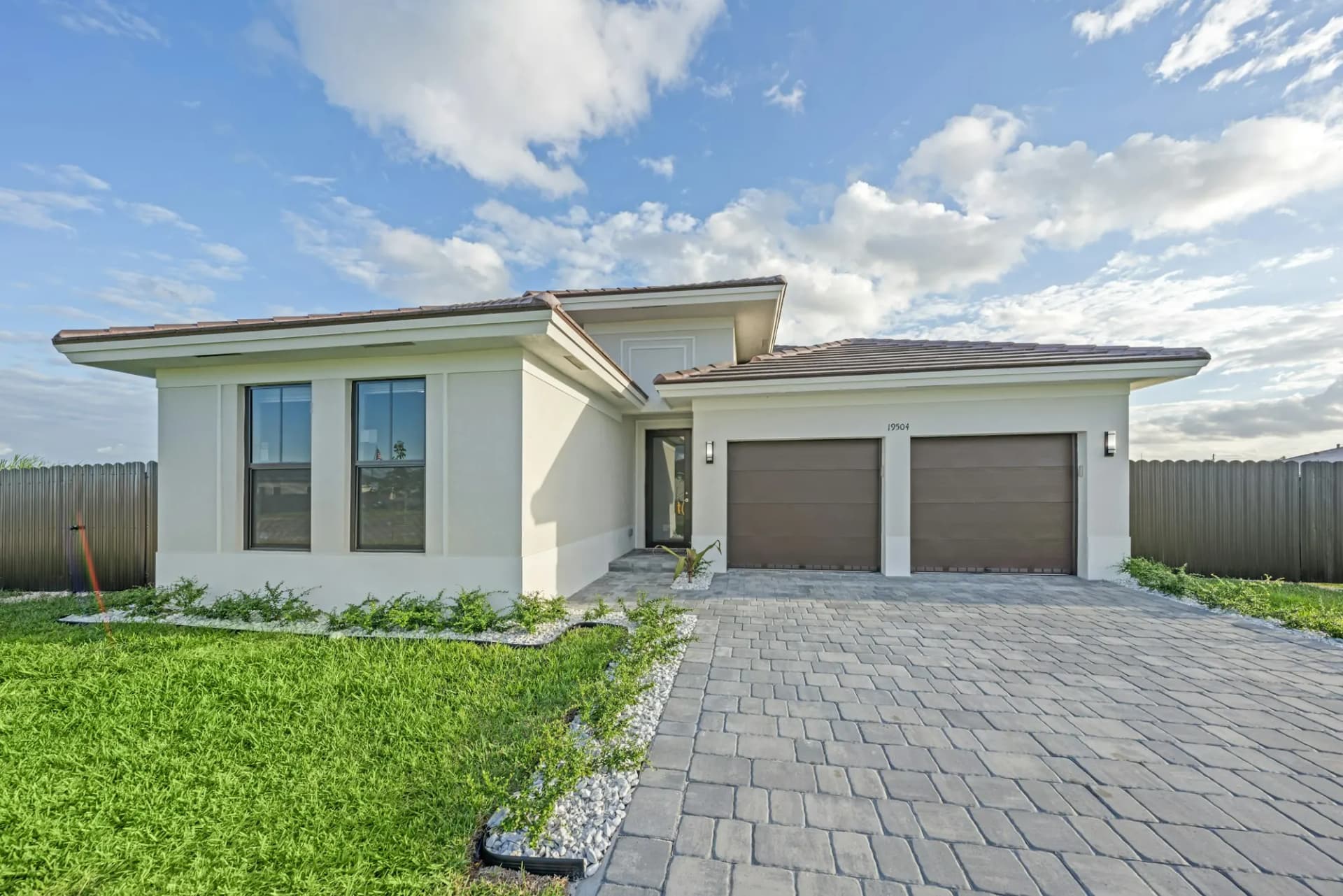
Both carry cars. They are built differently from the base up, look different on top and are repaired differently. Here is the same driveway, both ways.
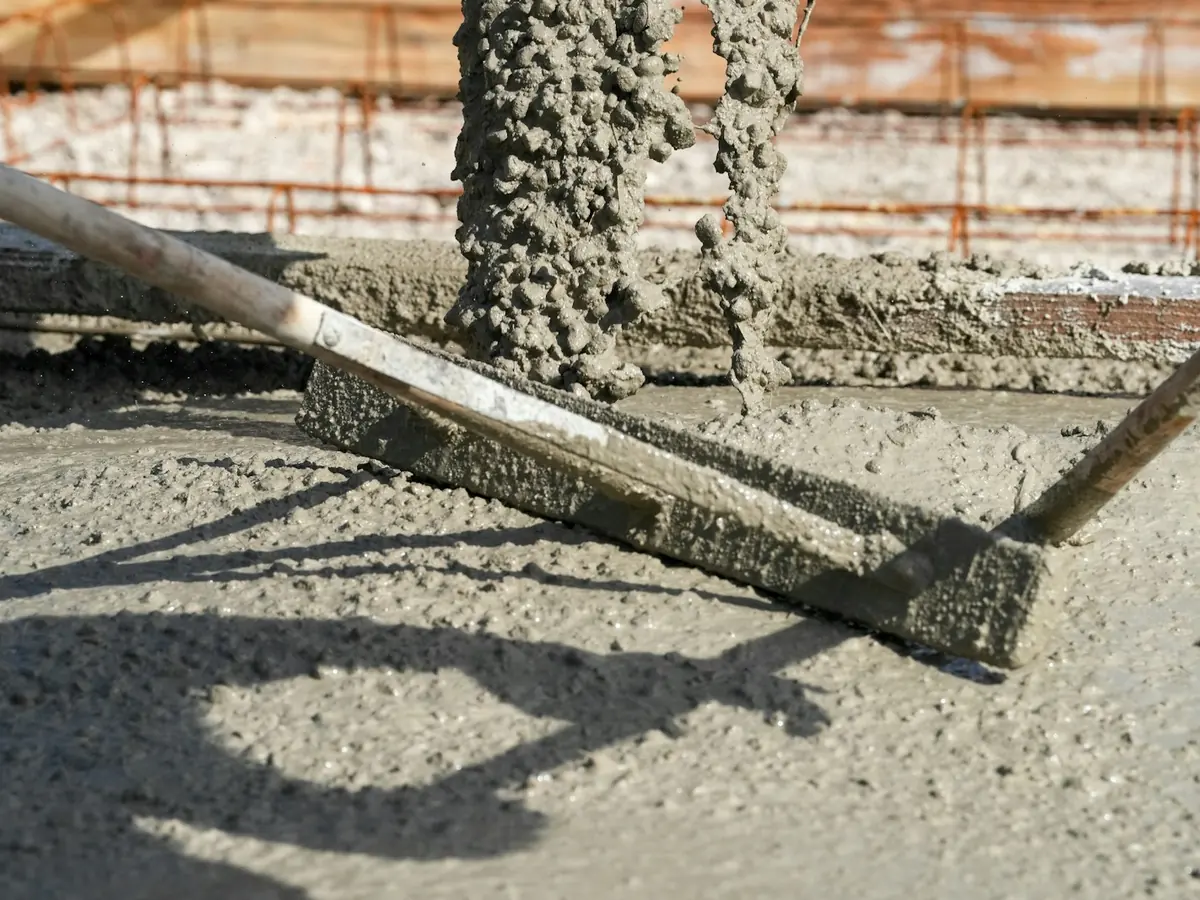
Poured concrete
Interlocking pavers
Planning
No two sites are the same. These are the things we look at when we walk yours, and the ones that change how the driveways work is planned.
Nothing here is required. A few of these help us understand the job before we arrive.
Photos and questions can go straight to (760) 500-8142 by call or text.
What's involved
Every site is different. This is the general order of the work, and we go over the specifics for your project at the site visit.
We look at the layout, how the driveway will be used and whether concrete or pavers suits it.
The area is dug out and a base is compacted and graded for vehicle weight and drainage.
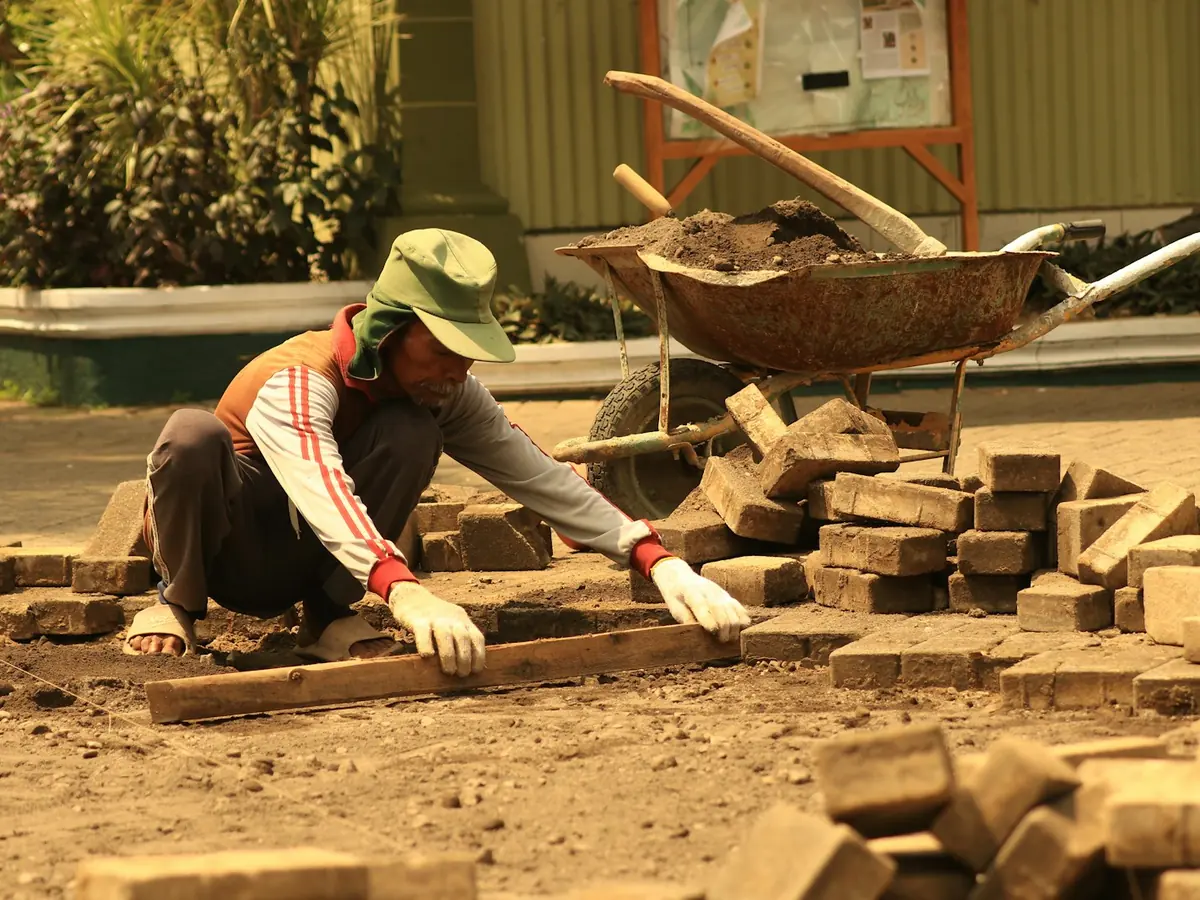
Concrete is formed, poured and finished. Pavers are laid over a bedding layer inside an edge restraint.
Concrete gets control joints and time to cure before it carries vehicle weight. Paver joints are filled and the surface is compacted.
Both work. Concrete is one continuous poured surface. Pavers are individual units that can be laid in patterns, and a section can be lifted and reset if it needs repair. We can walk through the choice at the site visit.
A compacted base prepared for vehicle weight. A concrete driveway is poured inside forms on that base. A paver driveway adds a bedding layer and an edge restraint to hold the pavers in place.
An idea of the area you want covered, what will park on it and whether you lean toward concrete or pavers. Photos of the current driveway help if you text us first.
Call or text (760) 500-8142, or send a request through the estimate form. Tell us what you have in mind.
More services
Estimate
Tell us what you have in mind. Prefer to talk? Call or text (760) 500-8142.
Tell us about the project.